
Top 4 Merchant Processing Tools That Accept Crypto and Settle in Fiat
Accepting crypto directly from customers is easy – settling it into your bank account in fiat is the hard part. These four tools solve that.
A merchant adds a “Pay with Crypto” button to the checkout page. The customer sends Bitcoin or Ethereum. Now what? Holding crypto exposes the business to price swings. The smart move is to settle in fiat. The payment processor receives the crypto, converts it to dollars or euros, and deposits cash into the merchant’s bank account. No volatility. No exchange accounts to manage.
1. BitPay
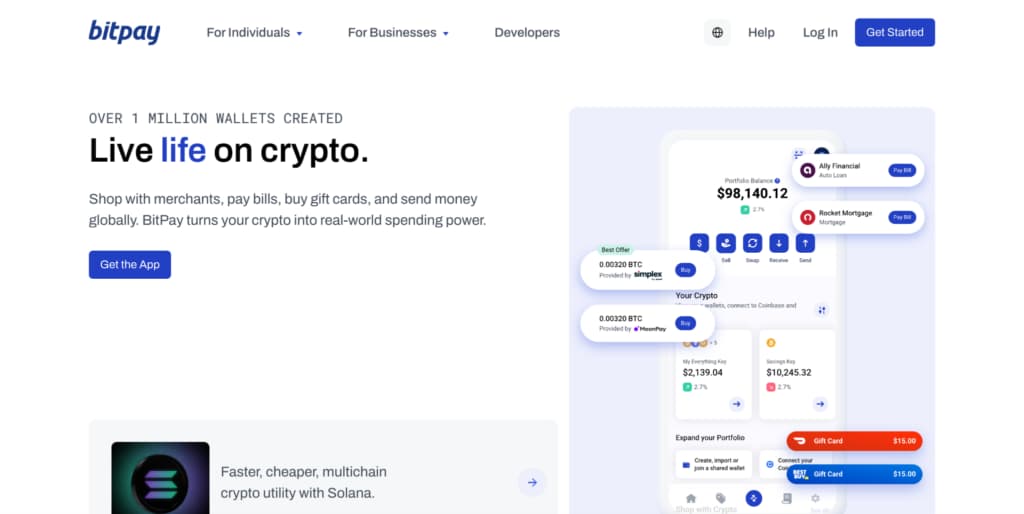
BitPay is the oldest name in crypto merchant processing. The platform supports enterprise‑grade invoice management and settlement in multiple fiat currencies.
Enterprise Features
Large businesses choose BitPay for reliability. The platform processes millions of dollars monthly. Invoice management tools let merchants create, send, and track crypto invoices from one dashboard. Refunds in crypto are possible, a feature missing from many competitors.
Supported settlement currencies:
- USD
- EUR
- GBP
- CAD
- Stablecoins (USDC, USDT, GUSD)
Higher Fees
The trade‑off is cost. BitPay charges higher transaction fees than newer entrants. A percentage per transaction plus a small fixed fee adds up. For merchants with high average ticket sizes, the fee may be acceptable. For businesses selling low‑cost items, margins get squeezed.
BitPay also requires a longer setup. Compliance checks take several days. The platform works best for established businesses with predictable volumes. Small merchants or startups may find the fees and onboarding time prohibitive.
The Bottomline
BitPay supports major blockchains, including Bitcoin, Ethereum, Dogecoin, and Bitcoin Cash. Altcoin support is narrower than some competitors. Merchants accepting niche tokens need another solution.
2. Paybis
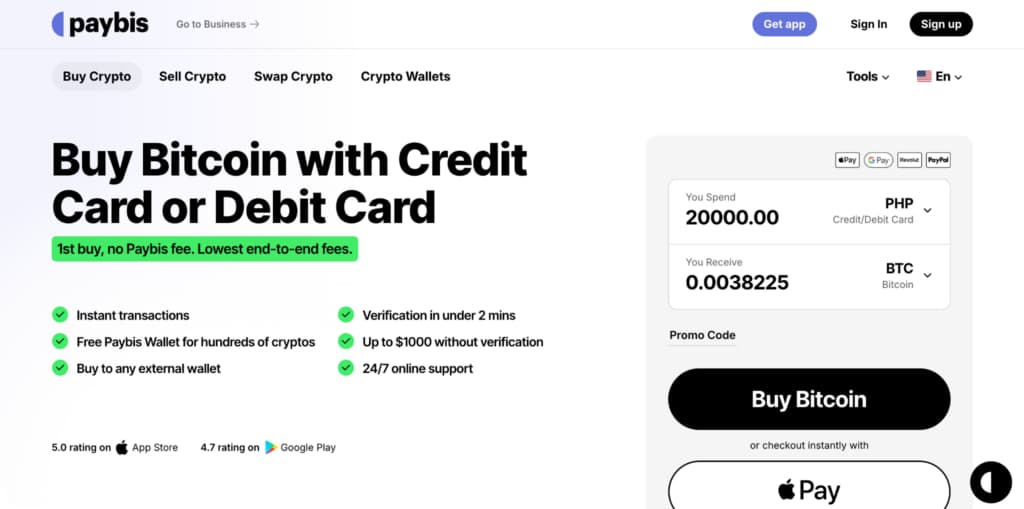
Paybis offers a merchant processing tool that accepts crypto and settles in fiat, stablecoins, or crypto. The merchant chooses the payout currency during setup. The platform handles all conversions and compliance.
No Blockchain Expertise Required
A merchant does not need to understand gas fees, confirmations, or wallet addresses. The customer sends crypto to a Paybis‑generated address. Paybis confirms the transaction, converts the funds, and sends the settlement. The merchant sees only the final amount in the chosen currency.
How it works:
- Customer selects crypto at checkout
- Merchant receives a unique wallet address
- Paybis monitors the blockchain for payment
- Conversion happens automatically
- Settlement arrives in the bank account or crypto wallet
High Approval and Fast Integration
The platform boasts a 95%+ authorization rate. Failed transactions are rare. Integration takes hours using standard APIs or plugins for major e‑commerce platforms. Existing payment flows stay intact. The merchant simply adds crypto as another option alongside cards and digital wallets.
Settlement speed depends on the payout method. Crypto and stablecoins arrive within minutes. Fiat via bank transfer takes one to two business days. Merchants can mix payout types. Large transactions settle in stablecoins. Smaller ones go to the bank account.
3. Cryptomus

Cryptomus targets merchants who want stablecoin conversion and mass payout tools. The platform is particularly strong in Eastern Europe, including Russia and Ukraine.
Designed for Stablecoins
Cryptomus converts incoming crypto payments to USDT or USDC by default. The merchant then holds stablecoins or converts to fiat. This two‑step model gives flexibility. A business paying suppliers in crypto keeps stablecoins. A business paying rent in local currency converts to fiat.
Advanced dashboard features:
- Real‑time transaction analytics
- Automated mass payouts to multiple wallets
- Customizable payment widgets
- API for full automation
Geographic Limits
The platform works globally but has weaker coverage outside Eastern Europe. Banking partners for fiat settlement are concentrated in that region. A merchant in North America or Western Europe may face longer settlement times or higher fees. Customer support also operates primarily in Russian and English. Merchants speaking other languages may find response times slower.
Cryptomus supports a wide range of cryptocurrencies, including Bitcoin, Ethereum, Litecoin, and many BNB Chain tokens. The platform does not support fiat settlement in as many currencies as Paybis or BitPay. Merchants needing euros or dollars should check availability first.
4. Cryptopay
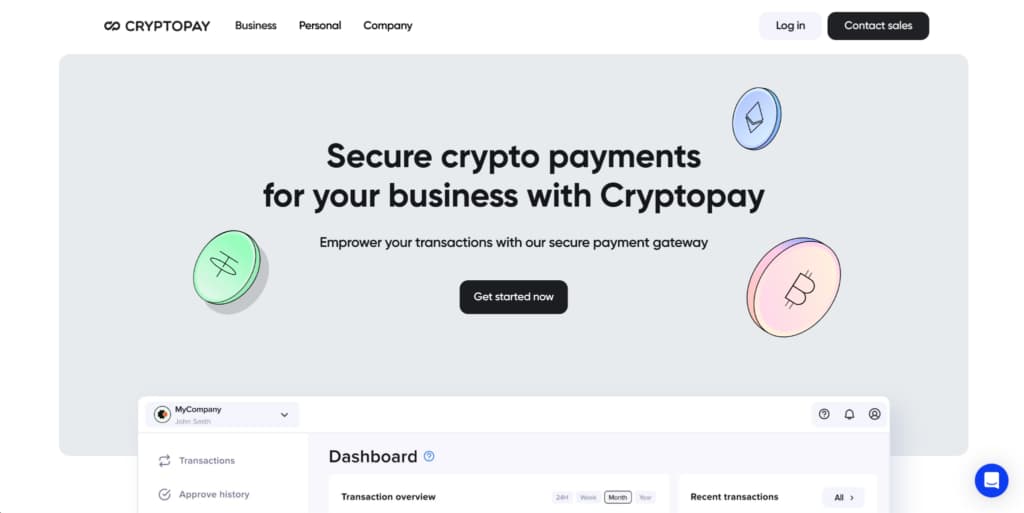
Cryptopay focuses on the European market. The company offers both merchant processing and a crypto card. Merchants can settle bank accounts or keep funds in the built‑in crypto wallet.
European Focus
Cryptopay holds licenses in Estonia and the United Kingdom. SEPA transfers run smoothly. Merchants receive euros directly to their business bank account. The platform also supports SWIFT for international settlements, but fees are higher.
Key offerings for merchants:
- Crypto payment buttons for websites
- Invoice creation and email delivery
- Settlement to bank accounts or crypto wallets
- Cryptopay Visa card for spending crypto directly
Fewer Cryptocurrencies
The main limitation is asset support. Cryptopay accepts fewer cryptocurrencies than Paybis or BitPay. Bitcoin, Ethereum, Litecoin, and Ripple are supported. Many altcoins and stablecoins are missing. A merchant whose customers pay with USDC on Solana cannot use Cryptopay.
The crypto card is a nice addition. Merchants can load settlement funds onto the card and spend directly. This avoids moving money to a separate bank account. However, the card works primarily in Europe. International merchants get less value.
Cryptopay suits small to medium European businesses that accept only major cryptocurrencies. For global merchants or those needing wide altcoin support, other platforms work better.
Choosing the Right Processing Tool
The processing tools are not one‑size‑fits‑all. Some prioritize plugin ecosystems, others focus on stablecoins or fiat settlement speed. The right choice aligns with average ticket size, geographic customer base, and preferred settlement currency.
Paybis covers 180+ countries with fast integration and 95%+ approval rates. BitPay brings enterprise reliability and invoice management at higher fees. Cryptomus offers advanced stablecoin tools with strong Eastern European coverage. Cryptopay serves European merchants with a crypto card option.
A small online store selling digital goods needs low fees and a simple setup. A large retailer with high volumes needs reliability and multi‑currency settlement. A European business paying suppliers in euros picks a platform with strong SEPA support. Map the specific needs first. Then test one or two processors with real transactions. The right tool turns crypto payments into a predictable cash flow.